From Pancham’s spark to Rahman’s layers - and what it teaches us about AI.
by Vinayakam Murugan, Chief Everything Officer
R D Burman didn’t just compose music. He chased magic.
One of the most iconic examples of his genius comes from the song Mera Kuch Saamaan from Ijaazat. The lyrics, written by Gulzar, were beautiful - but not in any recognizable musical meter. No antara, no mukhda, no scaffolding to build on. Just raw, meandering poetry.
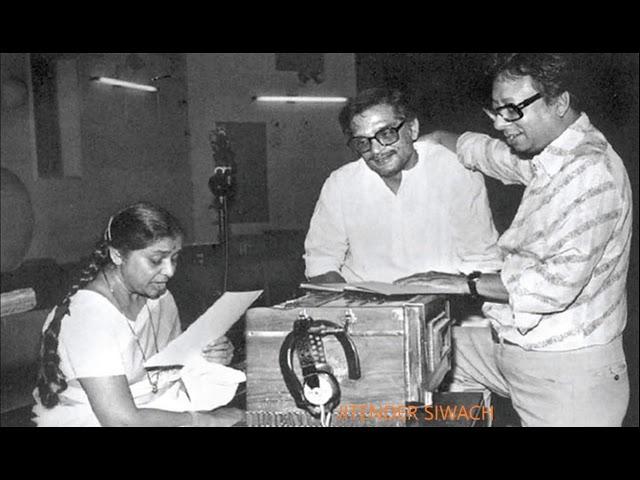
Frustrated, Pancham da (as he was fondly called) reportedly said, “Tomorrow you’ll bring me the front page of The Times of India and ask me to compose a tune for it!”
But then came the spark.
Asha Bhonsle, while rehearsing, sang a casual harkat - a small improvisational riff. It wasn’t deliberate. It wasn’t part of any melody. But Pancham caught it.
That tiny, instinctive note became the thread he needed to unlock the composition.
That’s the lesson. He didn’t wait for the perfect brief. He didn’t beg the universe for structure. He listened. He spotted the spark. And then, he created something timeless.
Now, if R D Burman was the spark-hunter, A R Rahman is the sculptor of sound.
Where Pancham created through instinct and improvisation, Rahman composes through exploration and refinement.
He layers sound with intention, experiments with subtle variations, and listens for what truly resonates. He doesn’t just record songs. He sculpts them. Each track is treated like a living, breathing organism - evolving with every take, every tweak, until it settles into something that feels just right.
Rahman is known to ask his singers to record multiple variations of the same line - subtle changes in tone, texture, emotion.
He isn’t looking for the most perfect take. He’s looking for the one that feels right.
And often, what we hear is a delicate blend of different takes stitched together with incredible sensitivity - the kind only a master with a deep emotional ear can pull off.
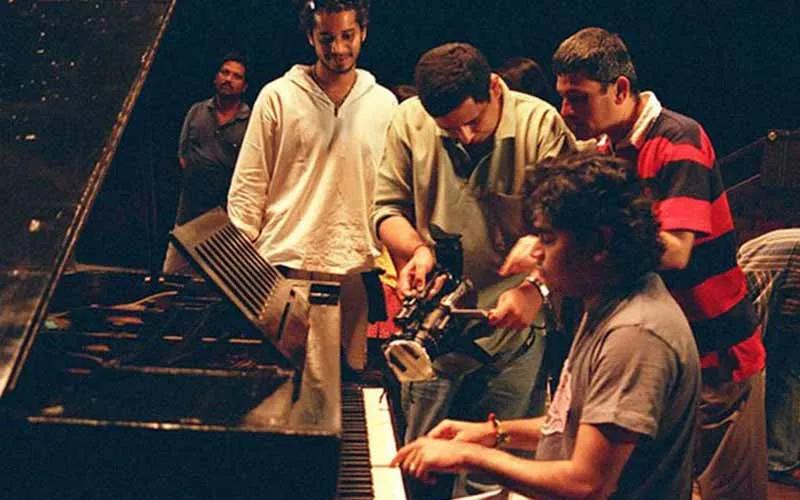
Take the story of singer Harini. She was supposed to laugh in a song - not a rehearsed, studio laugh, but a genuine, heart-warmed one. It wasn’t working. So Rahman, always attuned to the human behind the voice, asked the music director to distract her.
Crack a joke. Lighten the mood. And when she laughed, unguarded and natural, he captured it.
That moment made it into the song - because Rahman knew authenticity when he heard it.
That’s not software. That’s soul.
Use AI the way Burman used Asha’s impromptu note - not as the artist, but as the nudge. How Rahman engineered the authentic laugh. The scratch. The accidental inspiration that only a trained eye or ear can catch.
It can generate endless variations - lyrics, headlines, code, color palettes, melodies, layouts. But the magic lies in what you do with them. Your job is to know what works. What clicks. What carries weight. What carries you.
If you have no judgment, no taste, no training - then AI is a blindfolded sous chef tossing ingredients on a stove. But if you understand your craft, then AI becomes your assistant. A sparring partner. A prompt engine. A chaotic little muse you can argue with.
But YOU must have a point of view.
Because if you leave everything to AI and blindly accept whatever it spits out, you’re not co-creating. You’re outsourcing your thinking. And eventually, people will stop asking you for help and start asking the tool directly.
So mix. Match. Discard. Rebuild. Search for the laugh behind the mask. The harkat in the noise.
What you create with AI is not what the tool gives you - it’s what you choose to keep.
Use AI not as a shortcut. But as an amplifier.
And above all, don’t forget who’s holding the baton.