When in Doubt, Follow the Checklist (Then Edit the Checklist)
by Vinayakam Murugan, Chief Everything Officer
Recently, while watching an episode of The Rookie (yes, the very Bollywood-flavored American cop show), something clicked.
A rookie cop spots someone suspicious. Her instincts kick in. But her senior says, calmly: “Be careful. That gut feeling might be racial profiling."
The test of a process is - does it apply to everyone, even the ones we like?
What makes this more powerful?
The rookie is a person of colour herself.
It’s
not about who you are - it’s about how you act. That’s the real value of a
well-designed process.
Not a bureaucratic checkbox - but a principled guardrail.

Instinct Feels Obvious. Process Looks Passive.
Instinct often feels like the obvious thing to follow. It’s immediate. It’s emotional. It feels right. It tells you: “Act now, or you’ll regret it.”
And when someone doesn’t follow that instinct?
We judge.
“Are they scared?”
“Are they lazy?”
“Are they just hiding behind red tape because it’s easier to do nothing?”
In tech, this shows up more often than we admit:
A senior dev reviews a critical bug but doesn’t rush a fix.
A project manager delays a launch, even though “it’s 90% done.”
A product owner resists releasing a feature that’s been hyped internally for weeks.
From the outside, it can look like inaction. From the inside? It’s often experience saying,
“Yes, I could move fast. But I’ve seen what happens when we move fast without a backup plan.” Sometimes, not doing the obvious is the smartest - and safest - move.
It’s not hesitation. It’s not fear.
It’s calculation.
It's the judgment that says: "I trust my instinct, but I also trust the system we’ve built to protect us from avoidable disasters."
That kind of restraint? That’s not weakness. That’s senior energy.

Just Like a Republic
Pure democracy says, “Majority rules.”
A republic says, “Majority rules - but
within boundaries that protect everyone.”
You can’t just vote to outlaw ice
cream or cancel someone’s rights.
The republic protects us with the constitution - just like process protects us in code.
It doesn’t matter if you’re the founder, the intern, or the reincarnation of Alan Turing. You follow the checklist. Not because you don’t trust yourself - but because you respect the system.
Process isn’t a sign of distrust. It’s a sign of maturity.
A way to prevent emotional decisions from becoming catastrophic ones.
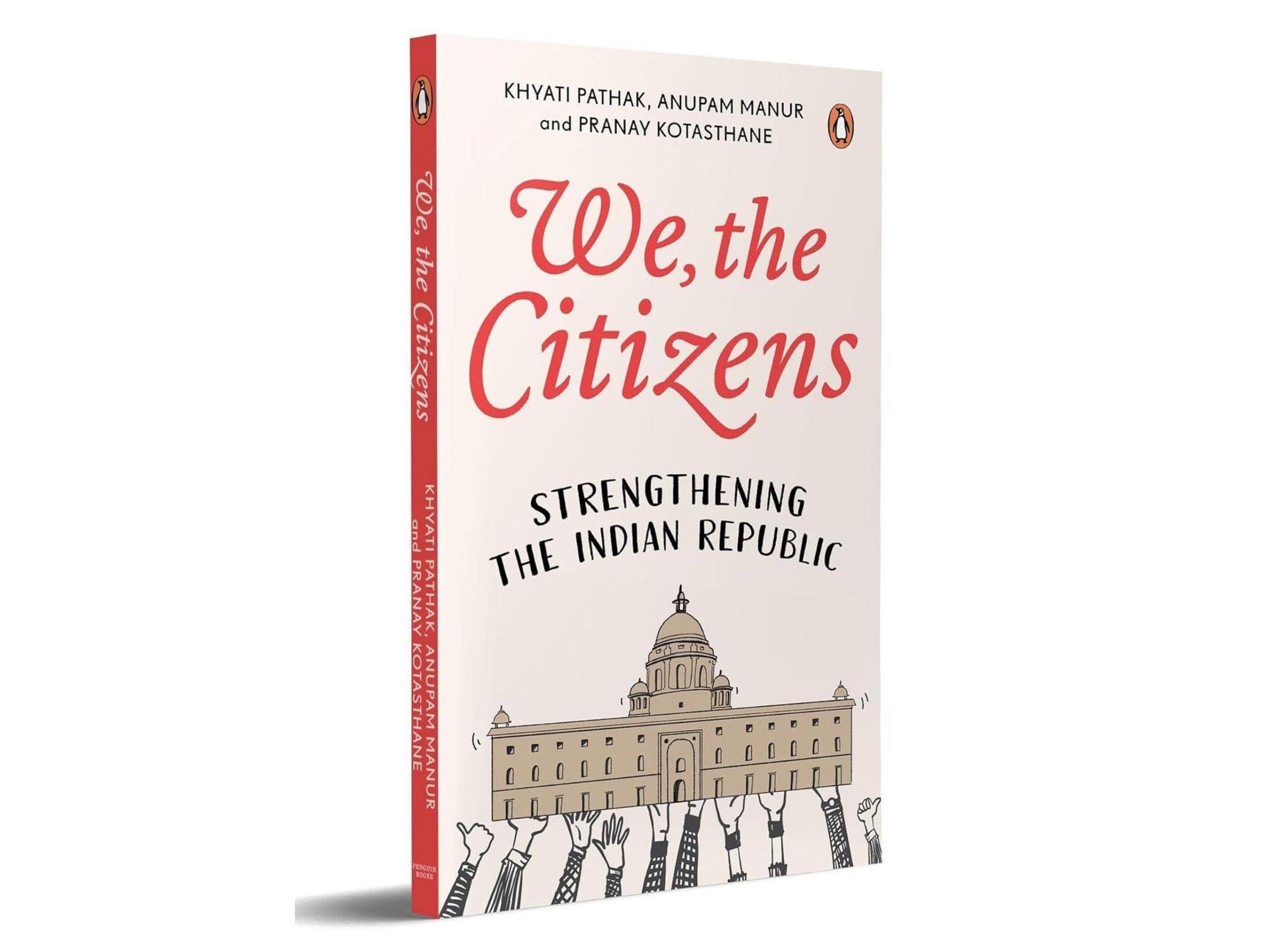
Note: If this piques your interest, read the wonderful book We, the Citizens by Khyati Pathak, Pranay Kotasthane , and Anupam Manur - a brilliant, accessible take on how our republic actually works (and why that matters).
As a Developer-Turned-Founder, I’ve Learned This the Hard Way
There was a time I saw process as friction.
Unnecessary steps invented by people who didn’t believe in me.
Why restrict root access? Why not just sudo everything and move fast? Why put hurdles between me and ultimate power?
Then came that moment. Someone accidentally ran rm -rf / - no prompts, no protections, no survivors.
(For the non-geeky: that’s the digital equivalent of setting your own house on fire… from inside the house.)
Production server. Middle of the week. Logs vanished. Services died. Entire folder structure… emotionally and literally deleted.
We had backups. Eventually. But that one command did more than wipe a disk - it made us rethink who really needed root privileges.
That’s when I learned:
Process isn’t red tape. It’s a guardrail installed by someone who once crashed into a wall at full speed.
But Let’s Be Clear: Process ≠ Scripture
And here’s where instinct does come in. Because process isn’t cast in stone. It should evolve - just like your codebase.
Keep reviewing it. Keep refining it. Use instinct not to break the system - but to improve it.
If something feels slow, confusing, or outdated - say so.
Push the PR to improve the checklist itself.
That’s how a good team works:
We follow process when things go wrong, and we improve process when things go right.

Final Takeaway
Use your instincts to fine-tune the process - not override it. Instinct tells you something’s off.
Process helps you act without burning everything down.
One catches smoke. The other holds the fire extinguisher.
You need both. But you need to respect which one wears the pants when stakes are high.
P.S.
Ever had your instincts tell you one thing, but the process said otherwise?
Did you listen? Did it help?
Let’s swap stories - no judgment, just learning (and maybe a checklist or two).