The Return of the Prodigal ID Card
by Vinayakam Murugan, Chief Everything Officer
We’ve just printed our first official company ID cards.
It should feel like a milestone - and it does. But it also comes with a complicated history. Like most long-term relationships.
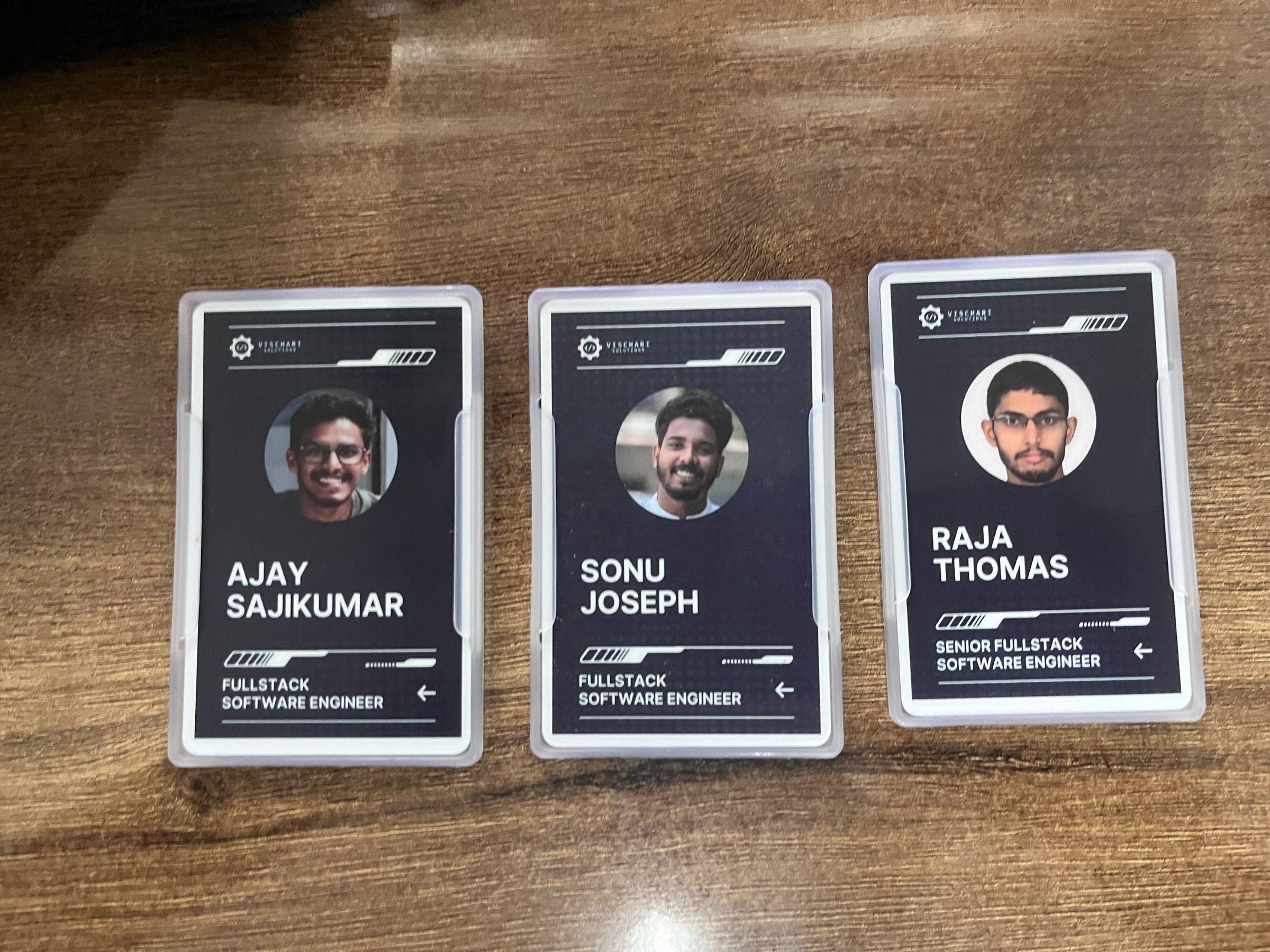
For the first 20 years of my career, I worked in small to mid-sized companies. ID cards were very much a thing - but only when they needed to be.
You didn’t wear them. You didn’t flaunt them. You tapped them on the attendance scanner, and back they went into your wallet.
The real usage was when you travelled onsite. That’s when the ID card gained importance.
And the real style icons? The folks who had those retractable elastic lanyards clipped to their belts - practical, subtle, and very 2000s-cool.
Then came the corporate phase. ID cards moved from wallets to necks. You couldn’t enter without them. You couldn’t go to the cafeteria without them.
Some days, I felt like I had to swipe just to be allowed to think.

Blue for full-time employees.
Green for vendors - who always looked a little unsure about where to sit.
Red if you really annoyed admin that week (okay, maybe not, but it felt that way).
Suddenly, your collar colour wasn’t as important as your lanyard colour.
That’s when the relationship turned sour. The ID card felt less like identity, and more like control.
Cut to today. We’re in a co-working space, in a small room that’s very much ours. The ID card doesn’t track us. It doesn’t gate us. It simply helps say -
“We belong here. We’re Vischari.”

Oh - and we encouraged everyone to smile. Not the “passport photo, just got out of traffic” look. A real smile.
And that… that is the best we could get Raja to smile.